


Cashew vs. Pistachio — Health Impact and Nutrition Comparison
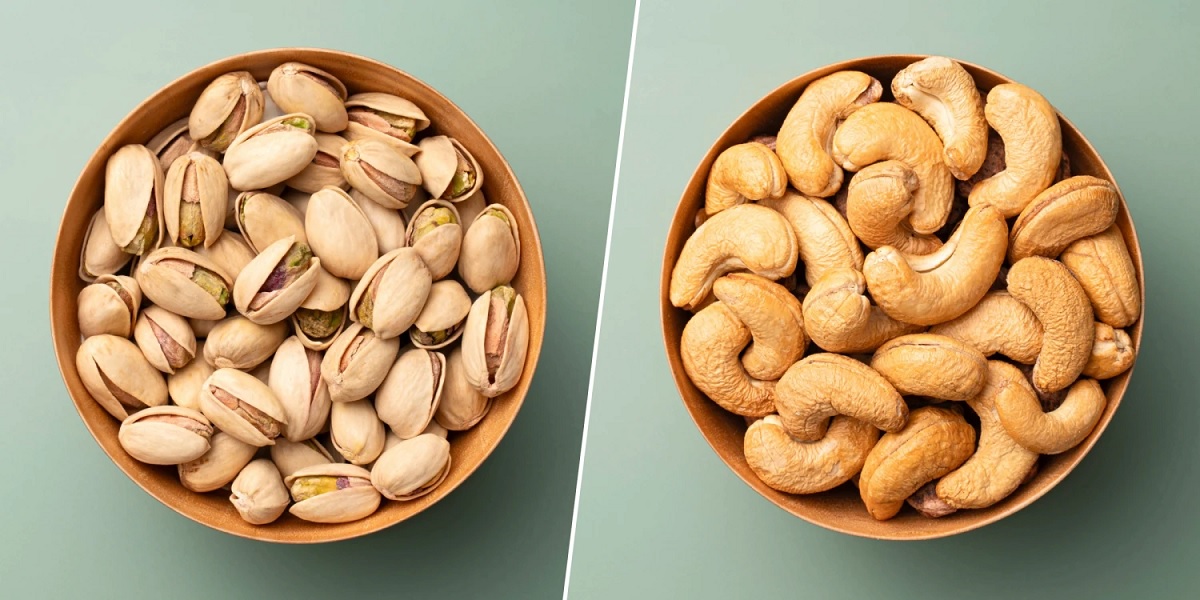
When it comes to healthy snacking, nuts are among the smartest choices you can make. They are nutrient-dense, satisfying, and packed with essential vitamins and minerals. Among the most popular options, cashews and pistachios are often compared due to their similar uses but slightly different nutritional profiles.
So, which one is better for your health? In this comprehensive guide, we’ll take a closer look at their nutritional values, health benefits, and how each one impacts your body.
Nutritional Overview
Both cashews and pistachios are considered healthy fats, but their internal composition differs in meaningful ways.
Cashews
Cashews are known for their soft texture and buttery flavor. They are especially rich in:
- Monounsaturated and polyunsaturated fats
- Magnesium, which supports muscle and nerve function
- Iron, important for oxygen transport in the body
- Zinc, essential for immune health
Cashews also contain a moderate amount of carbohydrates, making them slightly different from most other nuts.
Pistachios
Pistachios, on the other hand, are lighter and slightly sweeter. Their nutritional highlights include:
- Higher protein content compared to many nuts
- Significant amounts of fiber for digestion
- Vitamin B6, crucial for brain and metabolic function
- Antioxidants such as lutein and zeaxanthin, beneficial for eye health
They are also one of the lowest-calorie nuts when consumed in their natural, in-shell form.
Calories and Macronutrient Breakdown
Understanding macronutrients can help you choose the right nut for your lifestyle.
Cashews (28g)
- Calories: ~155
- Protein: ~5g
- Fat: ~12g
- Carbohydrates: ~9g
Pistachios (28g)
- Calories: ~160
- Protein: ~6g
- Fat: ~13g
- Carbohydrates: ~8g
- Fiber: ~3g
While the calorie difference is minimal, pistachios offer more fiber and protein, which can help improve satiety and digestion.
Protein Content and Muscle Health
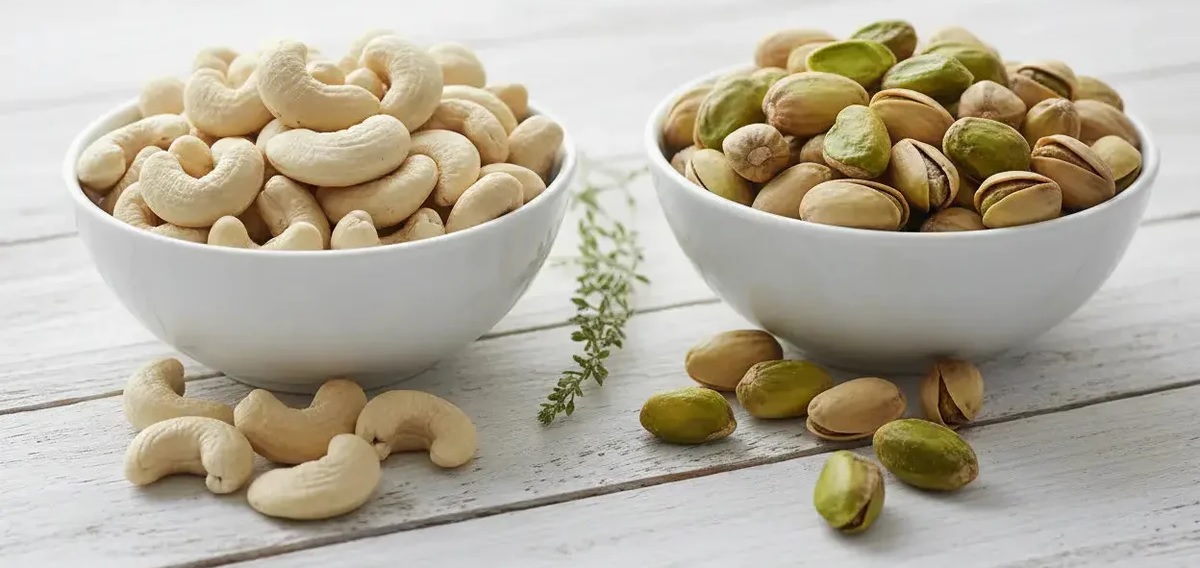
Protein plays a key role in muscle repair, metabolism, and overall body function. Pistachios slightly outperform cashews in this category.
Because of their higher protein density, pistachios are particularly beneficial for:
- People following plant-based diets
- Fitness enthusiasts and athletes
- Individuals looking to maintain or build muscle
Cashews still provide a solid amount of protein, but they are generally considered more of an energy-dense snack rather than a protein-focused one.
Heart Health and Cholesterol
Both nuts contribute positively to cardiovascular health, but they do so in different ways.
Cashews
Cashews contain heart-healthy fats that can help reduce LDL (bad cholesterol). Their magnesium content also supports proper heart rhythm and blood pressure regulation.
Pistachios
Pistachios are particularly known for their cholesterol-lowering effects. Regular consumption has been linked to:
- Reduced LDL cholesterol levels
- Increased HDL (good cholesterol)
- Improved blood vessel flexibility
Their antioxidant content also helps reduce inflammation, which is a key factor in heart disease.
Weight Management and Satiety
If you’re trying to manage your weight, pistachios may give you a slight advantage.
- Their fiber content helps you feel full longer
- Eating them in-shell slows down consumption
- Lower calorie absorption due to incomplete digestion of fats
Cashews, while still healthy, are easier to eat in large quantities because of their creamy texture and rich taste. This can lead to higher calorie intake if portions are not controlled.
Digestive Health
Fiber is essential for maintaining a healthy digestive system, and this is where pistachios clearly stand out.
- Pistachios support gut health by feeding beneficial bacteria
- Their fiber content promotes regular digestion
- They may help reduce bloating and improve overall gut balance
Cashews contain less fiber, so they are not as effective in supporting digestion compared to pistachios.
Vitamins, Minerals, and Antioxidants
Both nuts are packed with micronutrients, but each offers unique advantages.
Cashews Provide:
- Magnesium for muscle and nerve function
- Iron for preventing fatigue and anemia
- Zinc for immune support
Pistachios Provide:
- Vitamin B6 for brain health and hormone regulation
- Potassium for maintaining fluid balance
- Antioxidants that protect cells from oxidative stress
This makes pistachios particularly beneficial for long-term health and disease prevention.
Blood Sugar and Diabetes Impact
For individuals concerned about blood sugar levels, both nuts can be beneficial when consumed in moderation.
- Cashews have a slightly higher carbohydrate content but still have a low glycemic impact
- Pistachios may help regulate blood sugar levels due to their fiber, protein, and fat combination
Studies suggest pistachios can improve insulin sensitivity, making them a smart choice for people managing diabetes or prediabetes.
Taste, Usage, and Versatility
Beyond nutrition, taste and usability also matter.
Cashews
- Creamy and slightly sweet
- Ideal for cooking, sauces, and vegan recipes
- Commonly used in desserts and curries
Pistachios
- Crunchy and mildly sweet
- Great as a snack on their own
- Often used in salads, pastries, and toppings
Your choice may ultimately depend on how you plan to include them in your diet.
Final Verdict
When comparing cashews and pistachios, both offer impressive health benefits and can be part of a balanced diet. However, pistachios have a slight nutritional edge due to their higher protein, fiber, and antioxidant levels.
That said, cashews shine when it comes to mineral content and culinary versatility.
The best approach?
Instead of choosing one over the other, include both in your diet in moderate amounts. This way, you benefit from a wider range of nutrients while keeping your meals interesting and enjoyable.
In the end, variety is key to long-term health, and both of these nuts deserve a place in your daily nutrition plan.