


What Happened to Red Pistachios?
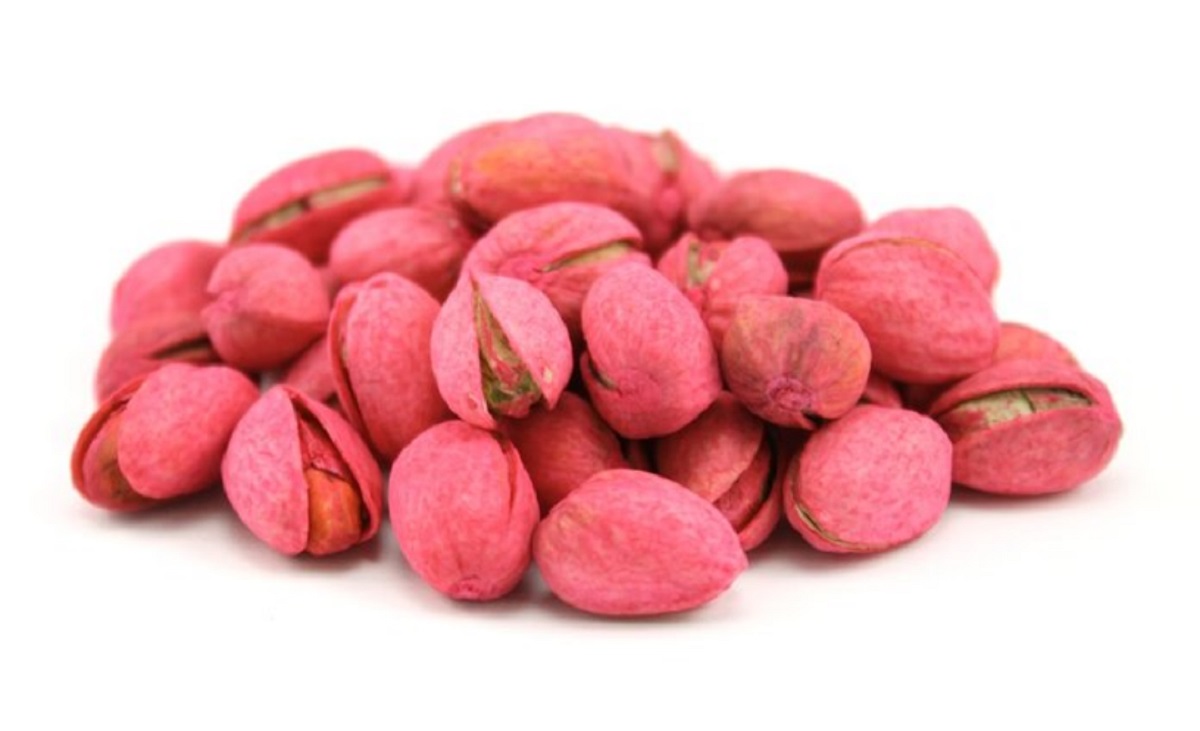
If you grew up in past decades, you probably remember a time when pistachios weren’t their natural beige and green. Instead, they were bright red, staining your fingers and even your clothes. These colorful snacks, known as red pistachios, were once a common sight in stores across many countries. But today, they have almost completely disappeared from the market.
So what exactly happened to them? Why were pistachios dyed red in the first place, and why did the trend fade away? In this article, we take a deep dive into the fascinating history, cultural context, and modern evolution of pistachios.
The Rise of Red Pistachios
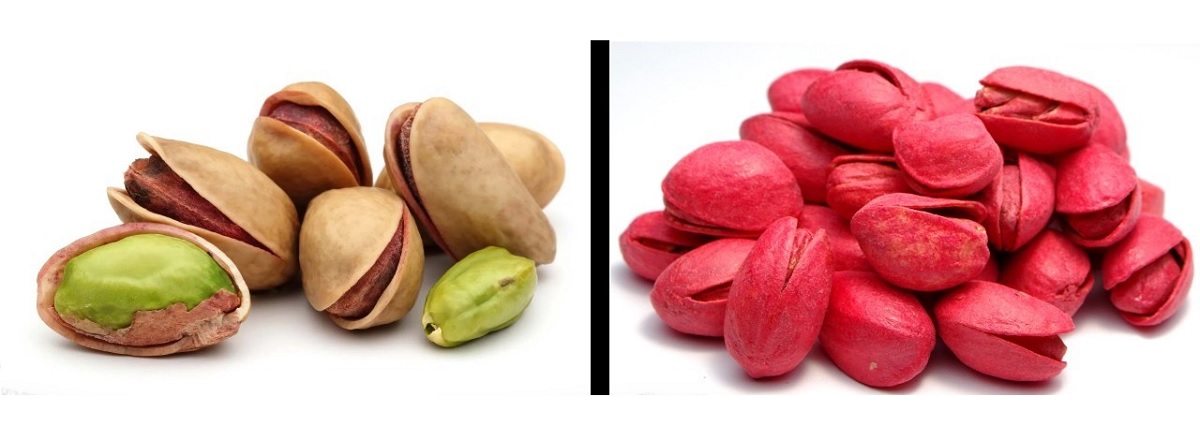
Back in the mid-20th century, pistachios imported into the United States and parts of Europe mainly came from countries like Iran. Due to traditional harvesting and processing methods, these pistachios often had visible stains, blemishes, and inconsistent shell coloring.
To make them more appealing to consumers, importers began dyeing the shells bright red. This not only masked imperfections but also created a unique and recognizable product. Over time, red pistachio nuts became a novelty item and even a symbol of indulgence.
Why Were Pistachios Dyed Red?
There were several practical and marketing reasons behind the popularity of dyed pistachios:
1. Masking Imperfections
Traditional harvesting methods caused the shells to become stained with natural residues from the fruit’s outer hull. These stains were considered unattractive, especially in Western markets that valued uniform appearance.
2. Lack of Modern Processing
Before advanced washing and drying technologies were introduced, it was difficult to clean pistachios thoroughly. Dyeing them red was an easy way to standardize their look.
3. Branding and Differentiation
The bright red color made pistachios stand out among other nuts. Retailers quickly realized that this visual uniqueness could drive sales and attract attention.
4. Cultural Appeal
For many consumers, especially in the U.S., red pistachios became associated with imported luxury goods. The color added a sense of excitement and novelty to the snacking experience.
The Decline of Red Dyed Pistachios
By the 1980s and 1990s, the popularity of red dyed pistachios began to decline rapidly. Several key factors contributed to their disappearance:
- Improved Farming and Processing: With the rise of domestic pistachio production in places like California, new harvesting techniques were introduced. Pistachios were now picked mechanically and processed quickly, preventing staining and preserving their natural appearance.
- Higher Quality Standards: Consumers became more conscious about food quality and safety. Natural-looking pistachios were seen as fresher and healthier compared to artificially colored ones.
- Health and Safety Concerns: Although food dyes used were generally approved, there was growing skepticism around artificial additives. This led to a shift toward more natural food products.
- Changing Consumer Preferences: Over time, people started to prefer authenticity. The natural beige shell with a hint of green kernel became more desirable than artificially enhanced colors.
Modern Pistachios: Back to Nature
Today, pistachios are almost exclusively sold in their natural form. Thanks to advanced agricultural practices, they no longer require cosmetic enhancements. The focus has shifted to quality, taste, and nutritional value.
Modern pistachios are:
- Cleaner and more hygienically processed
- Free from artificial coloring
- Rich in protein, fiber, and healthy fats
- Available in various forms such as roasted, salted, and flavored
Are Red Pistachios Still Available?
While rare, red pistachios haven’t completely vanished. Some specialty stores and nostalgic brands still produce them in limited quantities. However, they are now more of a novelty item rather than a mainstream product.
For most consumers today, the idea of eating artificially colored pistachios feels outdated. Natural is now the standard.
Conclusion
The story of red pistachios is a fascinating example of how food trends evolve over time. What started as a practical solution to a processing issue became a cultural icon, only to fade away as technology and consumer preferences changed.
Today, pistachios are appreciated in their pure, natural form. While the red-stained fingers of the past may bring back memories, modern pistachios represent a shift toward transparency, quality, and authenticity in the food industry.